
A Day At Whistling Well Farm
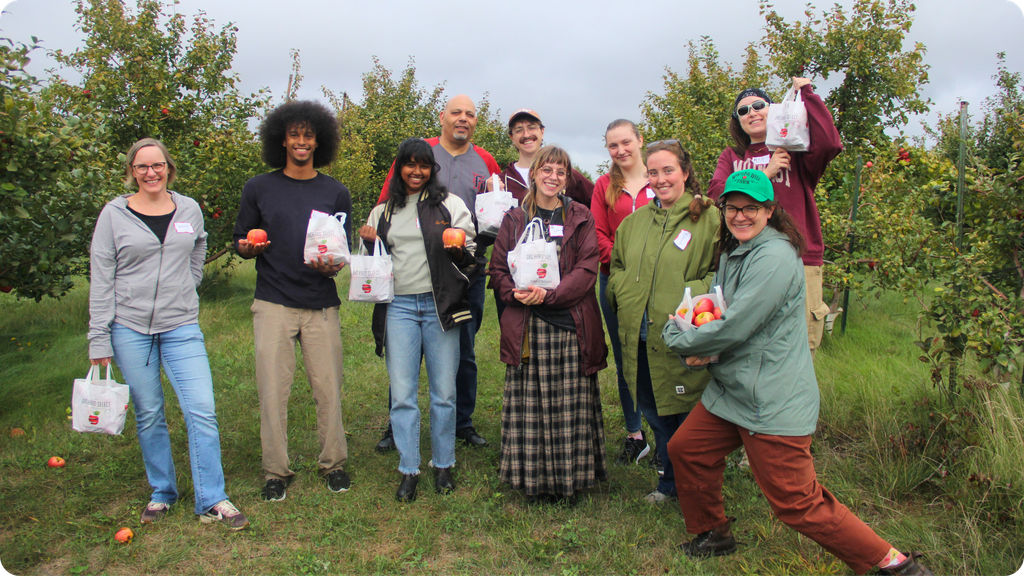
Almost a 30-minute drive from St. Paul, and an even shorter ride from Stillwater, is Whistling Well Farm. Our produce teams had the opportunity to visit the farm and get a behind-the-scenes look at the operation.
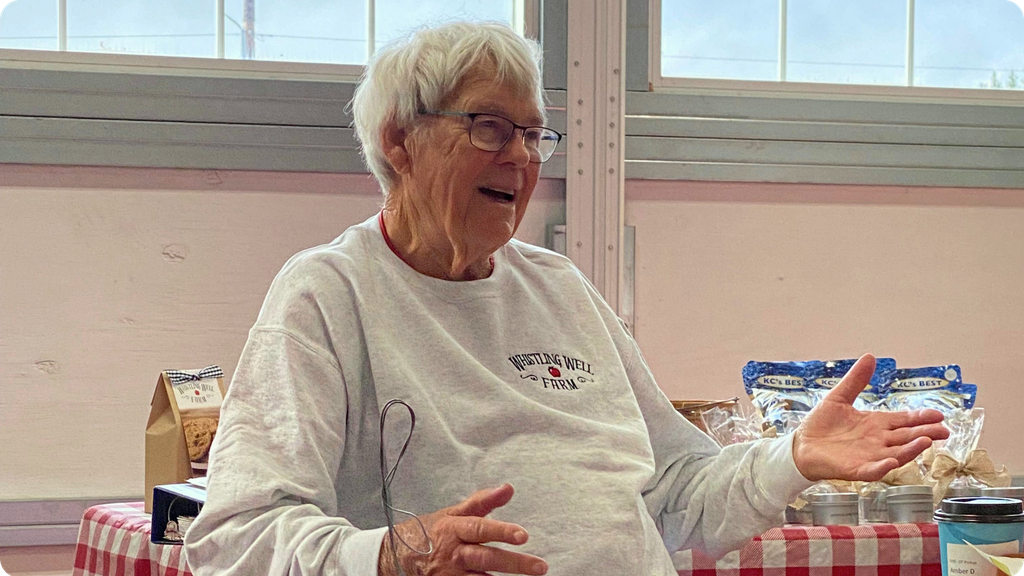
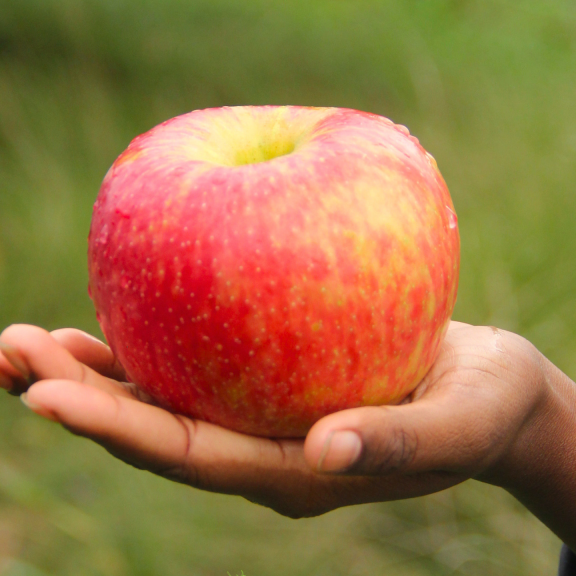
Whistling Well Farm is our main source for local apples during peak apple season and through the early winter months. Charlie Johnson is the face of the farm. He and his family started the farm in 1972, planting their first apple trees in 1980. They proudly grow apple varieties created by the University of Minnesota: Chestnut Crabapple, Haralson, Honeycrisp, First Kiss, SnowSweet®, SweeTango®, and Zestar!®
The Whistling Well Difference
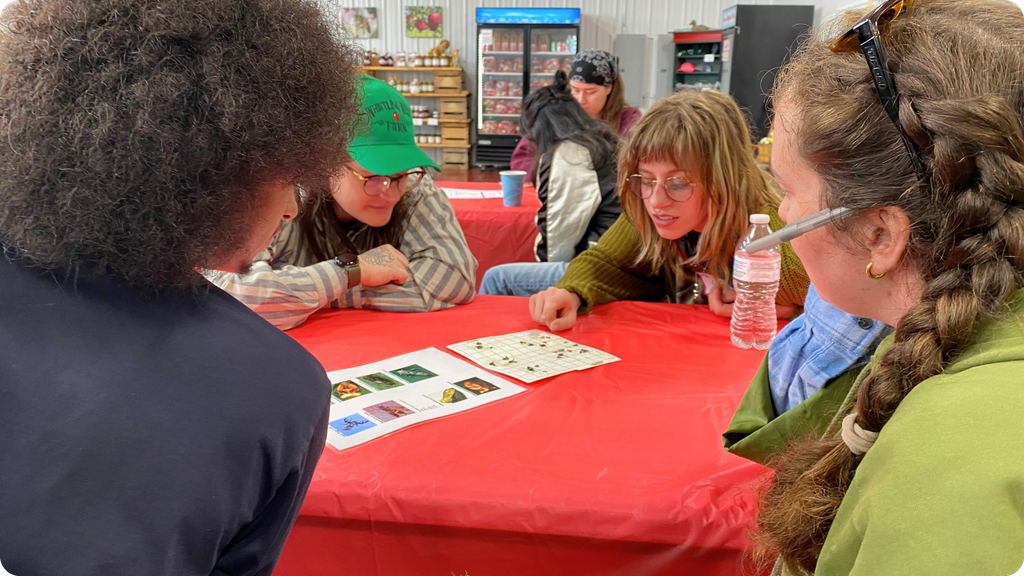
Whistling Well Farm uses Integrated Pest Management (IPM) for their apple trees. This practice means spraying for pests intentionally and as little as possible.
Scratches and holes caused by pests make the fruit more susceptible to disease. But if there are no pests at all, you’ve sprayed too much. IPM is about finding that balance.
Every year, they set up traps to get a good idea of what pests they are dealing with. They even report their findings to the state, contributing to data collection on pests in Minnesota.
Fresh off the Tree
It’s a small operation. The farm only brings on three extra hands to start picking come harvest time. This means that the apples are picked slower, with a lot more intention. And the fields aren’t picked clean until the end of the season.
Apples are picked and immediately brought to the cooler to maintain freshness. Then they are sorted and sent off to stores. With our store locations having close proximity to the farm, we get apples within a couple of days of them being picked!